오래 사는 삶과 오래 죽어가는 삶
11월 3, 2025
저자(Author) : koreapilot
▩ 개 요
‘koreapilot’의 에세이 ‘오래 사는 삶과 오래 죽어가는 삶’은 최근 사무실 직원의 친척분께서 정기 검진 결과 유방암 의심 소견을 받으셨다는 소식을 접하고, 이전에 몬트리얼에서 귀국길에 구입한 책자에서 읽은 삶에 대한 글을 되뇌면서 우리 모두에게 삶의 근본적인 문제, 즉 생명의 유한성과 노년의 삶의 질에 대해 다시금 생각하게 만드는 계기가 되었습니다. 이러한 대화는 결국 각 가정의 어르신들이 겪는 건강 문제, 그리고 현대 의학이 부여한 ‘오래 살게 만드는 힘’이 우리에게 던지는 윤리적 질문으로 이어집니다.

▩ 주제 : 삶의 형태
1. ‘오래 사는 삶’ vs. ‘오래 죽어가는 삶’
현대 의학의 눈부신 발전 덕분에 우리는 과거에는 상상할 수 없었던 수명을 누리게 되었습니다. 그러나 이 축복은 때때로 역설적인 고통을 동반합니다. 글에서 언급된 “She is dying long… (그녀는 오래 죽어가고 있다)”는 표현은 이러한 현대인의 딜레마를 가장 날카롭게 지적합니다.
단순히 심장 박동과 호흡이라는 생명 유지 기능만을 극대화한 채, 본인의 의식이나 삶의 질은 현저히 떨어진 상태로 병원 침대 위에서 하루하루를 보내는 노인들의 모습은 우리에게 근본적인 질문을 던집니다. 과연 이러한 삶이 ‘오래 사는 삶(Living long)’이라고 할 수 있을까요?
생명 유지 기술의 발달은 ‘죽음’이라는 자연스러운 과정을 ‘길고 고통스러운 투쟁’으로 변질시키기도 합니다. 이는 본인에게 극심한 고통을 안겨줄 뿐만 아니라, 그 생명줄을 붙들고 있는 온 가족에게도 심리적, 경제적, 육체적으로 감당하기 힘든 짐을 지우게 됩니다. 사랑하는 사람을 위해 희생하는 마음은 당연하지만, 그 희생의 끝이 기약 없는 고통의 연장이라면, 우리는 생명 유지 자체에 너무 많은 집착을 하고 있는 것은 아닌지 성찰할 필요가 있습니다.
2. 고통의 총량과 현명한 판단의 순간
우리는 누구나 삶의 마지막을 맞이합니다. 갑작스러운 사고나 천재지변으로 생을 마감하는 경우, 남겨진 사람들은 큰 슬픔과 안타까움을 느끼지만, 적어도 사랑하는 사람이 길고 긴 육체적 고통을 겪는 것을 지켜봐야 하는 긴 고통의 시간은 피할 수 있습니다.
문제는 만성 질환이나 노화로 인해 회복 불가능한 상태에 이르렀을 때의 연명 치료 결정입니다. 이 결정은 단순히 생명을 유지하느냐 마느냐의 문제가 아니라, 고통의 총량을 관리하는 문제입니다.
개인이나 가족이 타인의 생을 마음대로 변경하거나 수정할 수는 없습니다. 그러나 현대 의학의 경계에서, 우리는 더 이상 자연의 순리에만 모든 것을 맡길 수 없게 되었습니다. 의학적 개입이 가능한 지점에서, ‘순간의 현명한 판단’이 필요해집니다. 이 현명한 판단은 단순히 생명을 포기하라는 의미가 아닙니다. 그것은 바로 ‘치유가 불가능할 때, 인간의 존엄성을 지키는 편안한 죽음을 선택할 권리’를 인정하는 것입니다.
3. 고통을 최소화하는 ‘웰다잉(Well-Dying)’의 준비
결국 이 성찰은 ‘어떻게 잘 죽을 것인가(Well-Dying)’의 문제로 귀결됩니다. 생명 연장을 위한 과도한 의료 행위가 무의미하고 고통스럽다고 판단되는 시점에서, 이를 멈추고 환자의 고통을 완화하는 호스피스(Hospice)나 완화 의료로 전환하는 용기와 결단이 필요합니다.
이는 환자와 가족 모두가 짊어지는 고통의 짐을 덜어주는 ‘사랑의 결단’이 될 수 있습니다. 우리가 사랑하는 사람을 위해 할 수 있는 가장 현명한 일은, 불필요한 고통을 줄이고, 남은 시간 동안 최대한의 평안과 존엄성을 지킬 수 있도록 돕는 일일 것입니다.

▩ 결 론
그러므로 우리는 건강할 때, 그리고 의식이 명료할 때, 나의 마지막 삶의 방향에 대해 가족들과 충분히 대화하고 사전 연명의료 의향서 등을 통해 나의 의지를 명확히 해두어야 합니다. 이는 나의 운명을 스스로 결정하고, 사랑하는 가족들이 나 때문에 불필요한 죄책감이나 갈등을 겪지 않도록 미리 배려하는 가장 현명한 삶의 태도가 될 것입니다. 생명을 지탱하는 것만이 미덕이 아니라, 삶의 질과 존엄성을 지키는 것이 진정한 현명함이라는 점을 인식해야 합니다.
▩ A Living long and a Dying long(English version)
▩ Overview
The essay “The Long Life and the Long Dying Life” by “koreapilot” recently learned that a relative of an office worker had been diagnosed with breast cancer as a result of regular checkups, and it was an opportunity for us to rethink the fundamental problems of life: the finiteness of life and the quality of life in old age. These conversations eventually lead to ethical questions posed to us by the health problems experienced by the elderly in each family and the “power to make them live longer” given by modern medicine.
▩ Topic: The Shape of Life
1. “Living for a long time” vs. “Living for a long time”.
Thanks to the remarkable development of modern medicine, we now have a life span that was unimaginable in the past. However, this blessing sometimes accompanies paradoxical pain. As mentioned in the article, “She is diying long…” The expression (she’s dying for a long time) is the sharpest point to this modern dilemma.
The fact that elderly people spend their days on hospital beds with their consciousness and quality of life significantly reduced, while simply maximizing life support functions such as heart rate and breathing, raises fundamental questions for us. Can this life be called a “living long”?
Life support technology advances have transformed the natural process of death into a “long, painful struggle.” Not only does this cause extreme pain to you, but it also places a burden on the entire family that is holding onto the lifeline, psychologically, financially and physically. It is natural to make sacrifices for your loved ones, but if the end of those sacrifices is an extension of pain without promise, we need to reflect on whether we are too obsessed with life support itself.
2. The total amount of pain and the moment of wise judgment.
We all come to an end in our lives. In the event of a sudden accident or a natural disaster, those left behind feel great sadness and sorrow, but at least avoid long periods of pain when you have to watch your loved one suffer long, long physical pain.
Life-sustaining treatment decisions when chronic diseases or aging lead to irreparable conditions are at stake. It’s not just a matter of life-sustaining decision, it’s also a matter of managing the total amount of pain.
Individuals or families cannot change or modify other people’s lives at will. However, in the boundaries of modern medicine, we can no longer leave everything to the natural reason. Where medical intervention is possible, ‘wise judgment of the moment’ is needed. This wise judgment does not simply mean giving up life. It recognizes ‘the right to choose a comfortable death that protects human dignity when healing is impossible.’
3. Preparation of ‘Well-Dying’ to minimize pain.
Eventually, this reflection comes down to the question of “How to die well (Well-Dying). At a time when excessive medical practice for prolonging life is judged to be meaningless and painful, it is necessary to have the courage and determination to stop it and switch to hospice or palliative care to alleviate the patient’s pain.
It could be a “love decision” to ease the burden of pain on both the patient and the family. The smartest thing we can do for our loved ones would be to reduce unnecessary pain and help them maintain maximum peace and dignity for the rest of the time.
▩ Conclusion
Therefore, when we are healthy and conscious, we should fully communicate with our family about the direction of our last life and clarify our will through a letter of intent for life-sustaining treatment. This will be the wisest attitude of life to decide my fate for myself and to take care of my beloved family so that they do not experience unnecessary guilt or conflict because of me. We must recognize that it is not just virtue that supports life, but that it is true wisdom to preserve the quality and dignity of life.
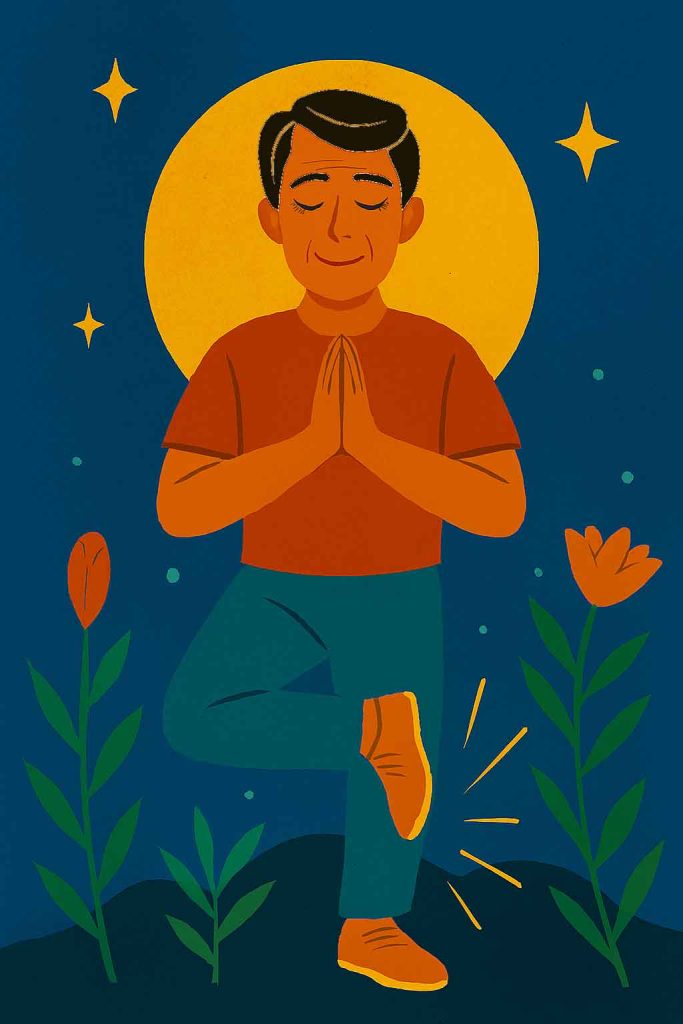
생명을 지탱하는
것만이
미덕이 아니라,
삶의 질과 존엄성을
지키는 것이
진정한 현명함
<< 오래 사는 삶과 오래 죽어가는 삶 >>