패스트 리딩(Fast Reading)

지식과 영감을 주는 서적을 빠르고 현명하게 선택할 수 있는 기회를 제공하여 드립니다. '패스트 리딩'과 함께 당신의 삶에 필요한 지식과 영감을 빠르게 충전하세요.

헤드 이미지
Browsing:

[카테고리:] 철학 Philosophy

털끝에 놓인 태산을 어이할까

털끝에 놓인 태산을 어이할까 표지 이미지

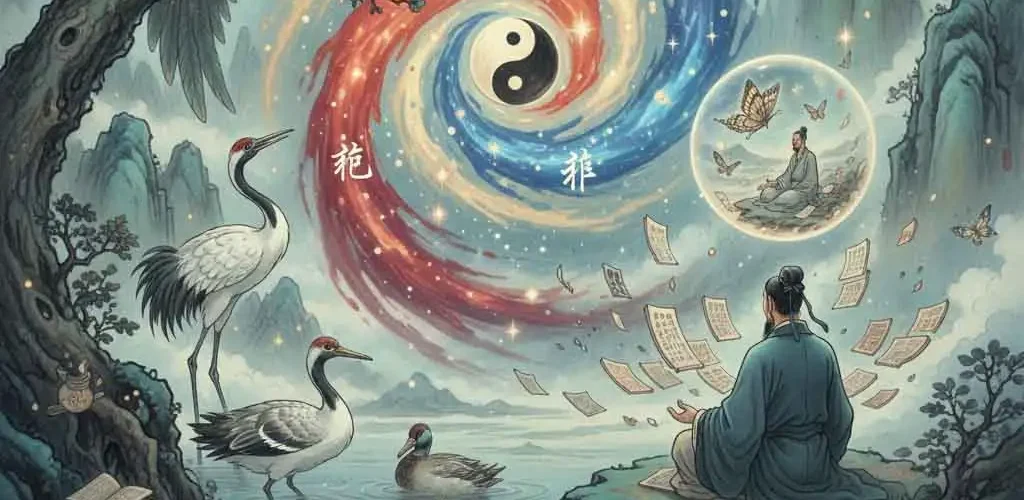
‘윤재근’ 저자의 ‘털끝에 놓인 태산을 어이할까’는 ‘장자(莊子)’의 깊은 철학적 통찰을 통해, 현대인이 겪는 상대적 가치와 분별의 굴레에서 벗어나 절대적인 자유와 평화를 얻는 길을 탐구하는 에세이입니다. 책의 제목은 장자 ‘제물론(齊物論)’의 핵심적인 비유에서 따온 것으로, 세상의 모든 크고 작은 존재와 가치가 결국은 상대적이며, 분별 없는 도(道)의 관점에서는 모두 평등하다는 메시지를 담고 있습니다. 저자는 장자의 지혜를 빌려 인간의 ‘욕망, 지식, 시비(是非)’에 대한 집착을 해체하고, 본성 그대로의 삶을 회복할 것을 역설합니다.

“How to deal with a Mount Tai on the tip of a hair” by Yoon Jae-geun is an essay that explores the way to achieve absolute freedom and peace away from the relative values and the bond of discernment experienced by modern people through deep philosophical insights of “Zhuangzi.” The title of the book is derived from the core metaphor of “On the Equality of Things” by Zhangzi, which contains the message that all large and small beings and values in the world are, in the end, relative and equal in terms of Taoism. The author uses the wisdom of Zhuangzi to dismantle human obsession with “right or wrong” and restore life as it is.


학의 다리가 길다고 자르지 마라

학의 다리가 길다고 자르지 마라 표지 이미지

‘윤재근’ 저자의 ‘학의 다리가 길다고 자르지 마라’는 ‘장자(莊子)’의 핵심 철학을 현대인의 삶과 사회적 문제에 적용하여, 인위적인 간섭과 욕심이 어떻게 인간과 세상을 불행하게 만드는지 통찰하는 철학 에세이입니다. 책의 제목은 장자 ‘변무(騈拇)’ 편에 나오는 구절에서 따온 것으로, 타고난 본성(自然)을 거스르거나 억지로 바꾸려 하지 말아야 한다는 장자 사상의 가장 핵심적인 메시지를 담고 있습니다. 저자는 장자의 지혜를 통해 현대 사회의 획일화, 경쟁, 강요된 행복이라는 오류를 비판하고, 본성 그대로의 삶이 주는 진정한 자유와 평화를 역설합니다.

Yoon Jae-geun’s “Don’t Cut the Legs of Learning for Long” is a philosophical essay that examines how artificial interference and greed make humans and the world unhappy by applying the core philosophy of “Chuang Tzu” to modern people’s lives and social problems. The book contains the most important message of “Chuang Tzu’s thought” that one should not go against one’s innate nature or try to change it forcibly. Through the wisdom of Chuang Tzu, the author criticizes the errors of uniformity, competition, and forced happiness in modern society, and emphasizes true freedom and peace given by life as it is.


인간은 버려진 신발짝과 같다

인간은 버려진 신발짝과 같다 표지 이미지

‘윤재근’ 저자의 ‘인간은 버려진 신발짝과 같다’는 ‘노자(老子)’의 ‘도(道) 사상’을 통해 현대인이 ‘스스로의 본성(本性)’과 자유를 상실한 채, 사회 시스템과 타인의 욕망에 의해 버려진 신발짝처럼 쓸모와 가치를 잃고 살아가는 현실을 통찰하는 철학 에세이입니다. 이 책은 노자의 핵심 가르침인 ‘무위(無爲), 겸허, 부쟁(不爭)’의 지혜를 빌려, 인간이 본래의 순수함으로 돌아가 참된 행복과 평화를 얻는 길을 제시합니다.

“Humans Are Like Abandoned Shoes” by Yoon Jae-geun is a philosophical essay that insights the reality of modern people losing their usefulness and value like shoes abandoned by the social system and the desires of others, while losing their “nature” and freedom through Lao-tzu’s “Tao Thought”. This book borrows the wisdom of “wu-wei, humility, and not contending,” the core teachings of Lao-tzu, and suggests a way for humans to return to their original innocence and gain true happiness and peace.


세상이 어머니 품처럼 될 수 없는가

세상이 어머니 품처럼 될 수 없는가 표지 이미지

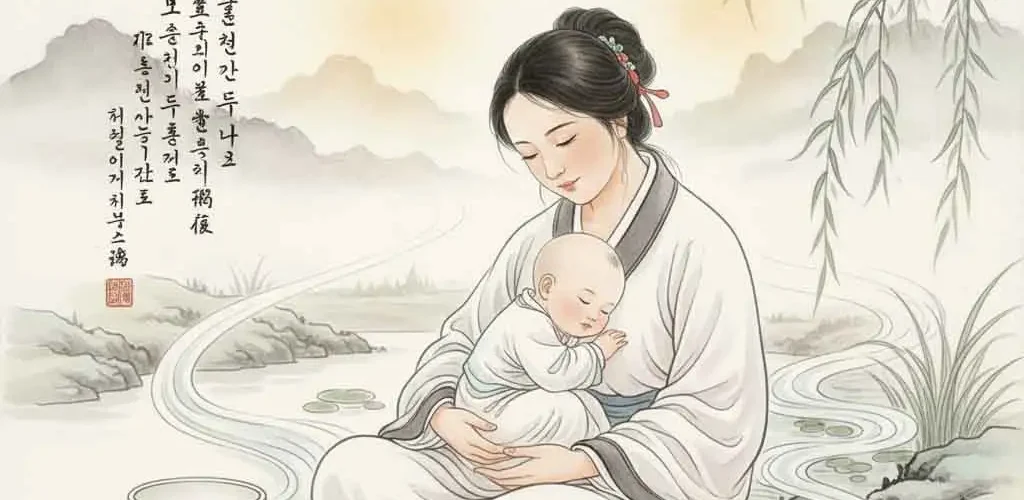
‘윤재근’ 저자의 ‘세상이 어머니 품처럼 될 수 없는가’는 인간의 근원적인 고향이자 가장 안전하고 평화로운 공간인 ‘어머니의 품’을 이상적인 사회와 삶의 원형으로 제시하며, ‘노자(老子)와 장자(莊子)의 도가 철학’을 통해 현대인이 잃어버린 본성(本性)과 평화, 그리고 조화를 회복하는 길을 탐구하는 철학 에세이입니다. 이 책은 경쟁과 욕망이 지배하는 세상의 모순을 지적하고, 순수하고 따뜻한 원초적 가치로 돌아갈 것을 역설합니다.

“Can’t the World Be Like a Mother’s Arms” by Yoon Jae-geun presents “Mother’s Arms,” the fundamental home of humans and the safest and most peaceful space, as the prototype of an ideal society and life, and is a philosophical essay exploring the way to restore the nature, peace, and harmony lost by modern people through Lao-tzu and Chuang-tzu’s Tao philosophy. The book points out the contradictions of a world dominated by competition and desire, and emphasizes returning to pure and warm raw values.


왜 약한 것이 강한 것을 이기는가

왜 약한 것이 강한 것을 이기는가 표지 이미지

‘윤재근’ 저자의 ‘왜 약한 것이 강한 것을 이기는가’는 동양 철학, 특히 ‘노자(老子)의 도가(道家) 사상’을 현대 사회의 경쟁, 비즈니스, 개인의 삶의 전략에 접목하여 ‘약함’과 ‘유연함’이 궁극적인 생존과 승리의 핵심 무기가 될 수 있음을 역설하는 자기계발 및 철학 에세이입니다. 이 책은 우리가 흔히 ‘강함’이라고 여기는 것들(힘, 규모, 속도)의 한계를 지적하고, ‘약함 속에 숨겨진 강함’이라는 역설적인 통찰을 제시합니다.

“Why Weakness Beats Strong” by Yoon Jae-geun is a self-improvement and philosophy essay that emphasizes that “weakness” and “flexibility” can be the key weapons of ultimate survival and victory by combining Eastern philosophy, especially “Lao-tzu’s Taoism” with contemporary society’s competition, business, and personal life strategies. The book points out the limitations of things we often consider “strongness” (power, scale, speed), and presents paradoxical insights of “strongness hidden in weakness.”