패스트 리딩(Fast Reading)

지식과 영감을 주는 서적을 빠르고 현명하게 선택할 수 있는 기회를 제공하여 드립니다. '패스트 리딩'과 함께 당신의 삶에 필요한 지식과 영감을 빠르게 충전하세요.

헤드 이미지
Browsing:

[카테고리:] 철학 Philosophy

논어강의

대학강의 표지 이미지

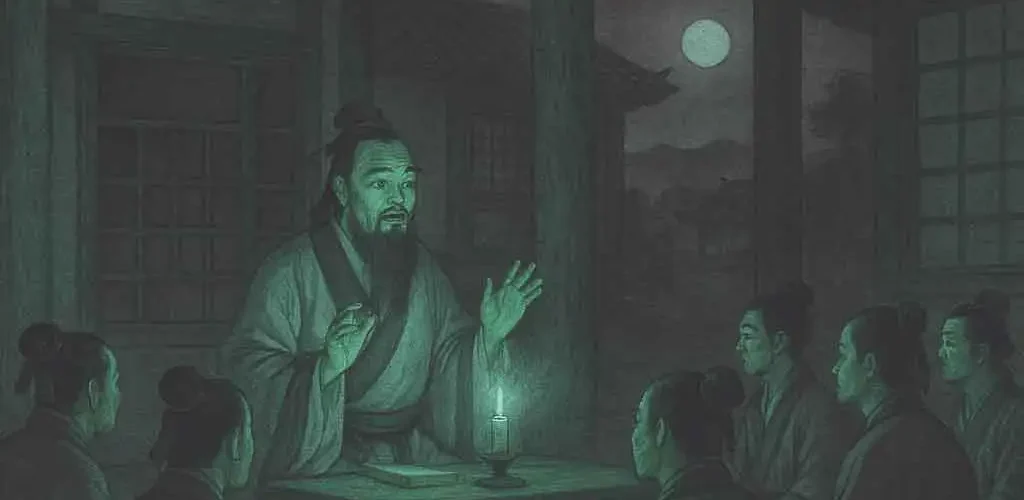
‘남회근(南懷瑾)’ 선생의 ‘논어강의(論語講義)’는 유가, 불가, 도가 사상에 모두 통달했던 저자가 유교의 핵심 경전인 ‘논어’를 현대적인 관점과 깊은 통찰로 해설한 강의록입니다. 이 책은 단순히 공자(孔子)와 제자들의 언행을 기록한 ‘논어’의 표면적인 뜻을 전달하는 것을 넘어, 2,000년 이상 전해 내려오면서 잘못 해석되거나 오해되었던 부분을 바로잡고, 유가 사상의 정수를 현대인의 삶과 수행에 연결하여 가르치는 데 중점을 둡니다.

Nam Hoe-geun’s “The Analects of Confucius Lecture” is a lecture book in which the author, who was well versed in Confucianism, Buddha, and Taoism, explained “The Analects of Confucius,” a core scripture of Confucianism, with modern perspective and deep insight. This book goes beyond simply conveying the superficial meaning of “The Analects of Confucius,” which records the words and actions of Confucius and his disciples, and focuses on correcting misinterpreted or misunderstood parts that have been passed down for more than 2,000 years and teaching the essence of Confucianism by connecting it to the life and performance of modern people.


금강경 강의

금강경 강의 표지 이미지

저자 ‘남회근(南懷瑾)’의 ‘금강경 강의(金剛經 講義)’는 대만에서 행해진 ‘금강반야바라밀경(金剛般若波羅蜜經)’에 대한 강의 내용을 엮은 책입니다. 유가, 불가, 도가 경전을 두루 통달한 저자의 깊은 통찰이 담겨 있으며, 단순한 교리 해설을 넘어 실제 수행의 길을 명쾌하게 제시하는 것으로 유명합니다. 이 책의 줄거리는 석가모니 부처와 수보리(須菩提) 존자의 대화를 중심으로 전개되는 ‘금강경(The Diamond Sutra)’ 원전의 내용을 현대인의 삶에 생생하게 적용하고 해설하는 데 초점을 맞춥니다.

The Diamond Sutra Lecture by the author Nam Hoe-geun is a compilation of lectures on The Diamond Sutra conducted in Taiwan. It contains deep insights from the author, who has mastered the Confucian, Buddhist, and Taoist scriptures, and is famous for clearly presenting the path of actual practice beyond simple doctrinal explanations. The plot of the book focuses on vividly applying and explaining the contents of the Diamond Sutra original, which revolves around a dialogue between the Buddha Sakyamuni and Subhuti, to modern people’s lives.


도덕경

도덕경 표지 이미지

‘노태준’ 교수의 ‘도덕경(道德經)’은 흔히 ‘노자(老子)’라고 불리는 이 고전의 원문과 현대적인 해설을 담고 있습니다. 이 책은 기원전 6세기경 노자(이이, 李耳)가 지은 것으로 전해지며, 유가 사상과 더불어 중국 철학의 양대 산맥을 이루는 도가(道家) 사상의 근본 경전입니다. 이 책의 줄거리는 크게 두 부분으로 나뉘는데, ‘도(道)’의 본질을 다룬 ‘도경(道經)'(제1장~37장)과, ‘덕(德)’의 실천을 다룬 ‘덕경(德經)'(제38장~81장)으로 구성되어 있으며, 총 81장으로 이루어져 있습니다.

Professor Roh Tae-jun’s “Tao Te Ching” contains the original text and modern commentary of the classic, which is commonly called “Lao-tzu.” The book is said to have been written by Lao-tzu around the 6th century B.C., and is the fundamental scripture of the Taoist ideology, which forms the two major mountain ranges of Chinese philosophy along with Confucianism. The plot of the book is largely divided into two parts: “the book of Taoism,” which deals with the essence of “Tao,” and “the virtue of virtue,” which consists of 81 chapters.


상대가 이익을 얻게 하라

상대가 이익을 얻게 하라 표지 이미지

‘신동준’ 저자의 ‘상대가 이익을 얻게 하라’는 중국 춘추전국시대 제나라의 재상이었던 ‘관중(管仲)’의 사상을 바탕으로, ‘이익을 주어 사람을 얻는 경영법’에 대한 지혜를 현대적으로 해석한 책입니다. 이 책은 고대 중국의 명저 ‘관자(管子)’에 담긴 부국강병(富國強兵)의 철학과 전략을 중심으로, 현대의 경영, 정치, 인간관계에 적용할 수 있는 36가지 지혜를 제시합니다.

“Make Your Opponent Profits” by Shin Dong-jun is a book that modernly interprets the wisdom of “Management Method of Gaining People by Giving Profits” based on the idea of “Gwanjung,” who was the prime minister of the Qi Dynasty during the Spring and Autumn Warring States period in China. This book presents 36 wisdom that can be applied to modern management, politics, and human relations, focusing on the philosophy and strategies of the national prosperity and military power contained in ancient Chinese masterpiece “Gwanja.”


직언

직언 표지 이미지-2

작가 ‘윌리엄 B. 어빈(William B. Irvine)’의 책 ‘직언(直言’의 줄거리는 고대 철학인 스토아 철학(Stoicism)을 현대인의 삶에 적용하여 ‘좋은 삶(The Good Life)’을 살기 위한 실용적인 지침을 제공하는 데 중점을 둡니다. 참고로, 원서 제목은 ‘A Guide to the Good Life: The Ancient Art of Stoic Joy’이며, 한국어 제목 ‘직언’은 ‘숨김없이 바르게 말함’이라는 뜻으로, 스토아 철학의 단호하고 실천적인 지침을 강조하는 의미로 붙여진 것으로 보입니다.

The book A Guide to the Good Life: The Anticient Art of Stoic Joy by William B. Irvine focuses on providing practical guidelines for living The Good Life by applying Stoicism, an ancient philosophy, to modern people’s lives. For your information, the title of the original book is A Guide to the Good Life: The Anticient Art of Stoic Joy, which means “talking correctly without hiding,” and seems to have been given to emphasize the firm and practical guidelines of Stoic philosophy.